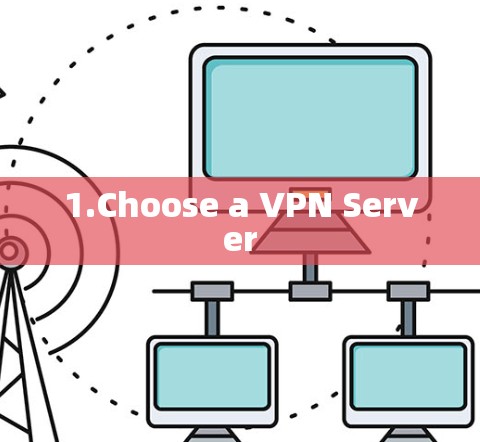
1.Choose a VPN Server
Optimizing a VPN involves a strategic combination of server selection, client choice, port adjustment, and client type to ensure maximum security and performance. Here's a structured guide to optimizing your VPN:
- OpenVPN (Open Source): Ideal for lightweight, secure connections with a user-friendly interface.
- VPNx (Private): Offers advanced features for those seeking a more secure experience with higher port numbers for faster data transfer.
Select a Client
- Free Private Clients: Consider using free private clients like VirtualBox Remote Desktop or Windows Remote Desktop, which connect to your VPN server directly.
- Virtual Machines: Deploy virtual machines on a server to avoid installing software on your local machine.
Adjust the Port
- Higher Port Numbers: Use port 53 instead of 8 for better performance and security. This allows faster data transfer and reduces the risk of malware.
Use a Private VPN Service
- Private Services: Utilize private VPN services like 223 privacy or NordVPN for convenience, especially if you need backup solutions. These services often offer international access.
Consider Backup Solutions
- Secure Data Storage: Use the VPN server to store temporary data on a remote server, which can be retrieved using your local server. This helps ensure data integrity and security.
Check Firewall Policies
- Avoid Interference: Ensure that your client's firewall allows connections to the VPN server and that the server's firewall allows incoming traffic. Check logs for any errors.
Verify International Access
- Country Codes: Confirm that the VPN server and client support the necessary international domains for your target countries.
Compare VPN Providers
- Security and Features: Research different VPN providers based on security protocols, speed, and additional features like multi-user support or advanced encryption.
Evaluate Costs
- Price Range: Compare private and public VPNs by cost to find the most economical option that meets your security needs.
Future-Proof Your Setup
- Secondary Server: Consider having a secondary VPN server to protect your data even if the primary server is unavailable.
Understand Legal Aspects
- Censorship Legalities: Be aware of VPN laws in your region, as some provide access to blocked domains, which could be considered censorship.
Focus on Data Encryption
- Secure Connections: Ensure that all connections are encrypted both at the client and server levels to protect your data.
Complementary Tools
- Firewall Security: Use a strong firewall to block access to your VPN to prevent unauthorized access to your data.
By following these steps and considering the above points, you can optimize your VPN to provide secure, efficient, and reliable internet access across your target regions.
相关推荐
-
隐藏节点管理,保护隐私的网络解决方案
在当今互联网时代,数据的流通日益频繁,数据隐私和安全问题也日益受到关注,为解决这些问题,我们开发了“Hide.me”节点管理平...
-

隐藏在客户端,为隐私保护构建安全的加密通信平台
在数字时代,通信已经成为我们生活不可或缺的一部分,而加密通信则成为了保障个人隐私和数据安全的重要手段,在这个日益复杂的通信环境...
-

设置隐藏的MyMei客户端的步骤如下
登录或注册客户端:登录到隐藏客户端的控制台,这可能需要使用登录功能,访问客户端的登录页面。 进入控制台:...
-

通信工程师,数字时代的守护者
在信息爆炸的时代,数字技术已经成为我们生活不可或缺的一部分,而作为通信工程师,我的角色自然就成为连接数字世界的桥梁,从发送信息...
-

隐藏的Ass VPN服务器的选择取决于用户的具体需求和预算,以下是一些综合考虑的因素
本地服务器: 优势:提供更多配置选项,如IP地址、IP协议、服务器IP地址、IP名、服务器名、IP和服务器名...
-
HMA VPN 安装教程
在数字时代,网络安全已成为企业维护核心竞争力的关键,为了提升企业网络防护能力,HMA(H papilla MA) VPN 服务...